

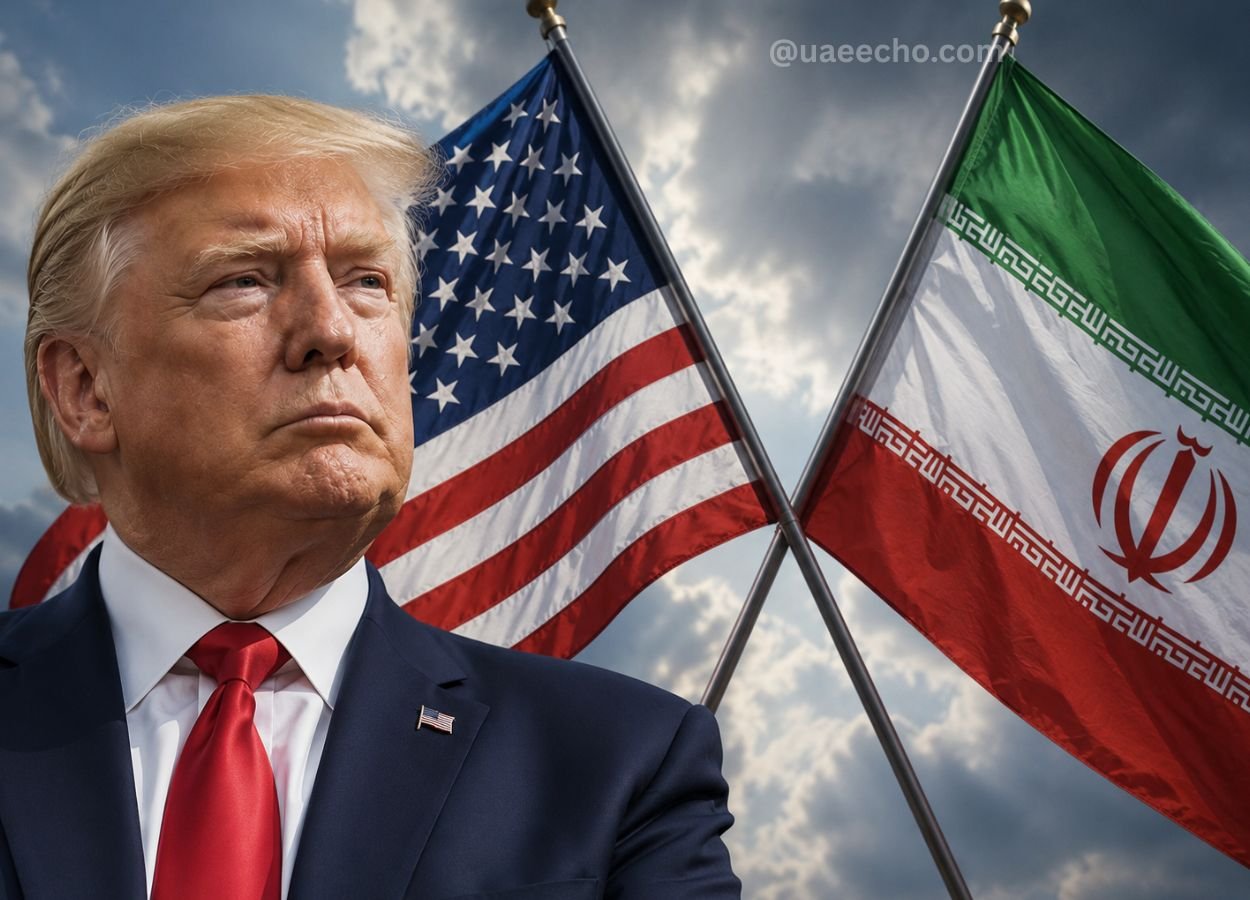

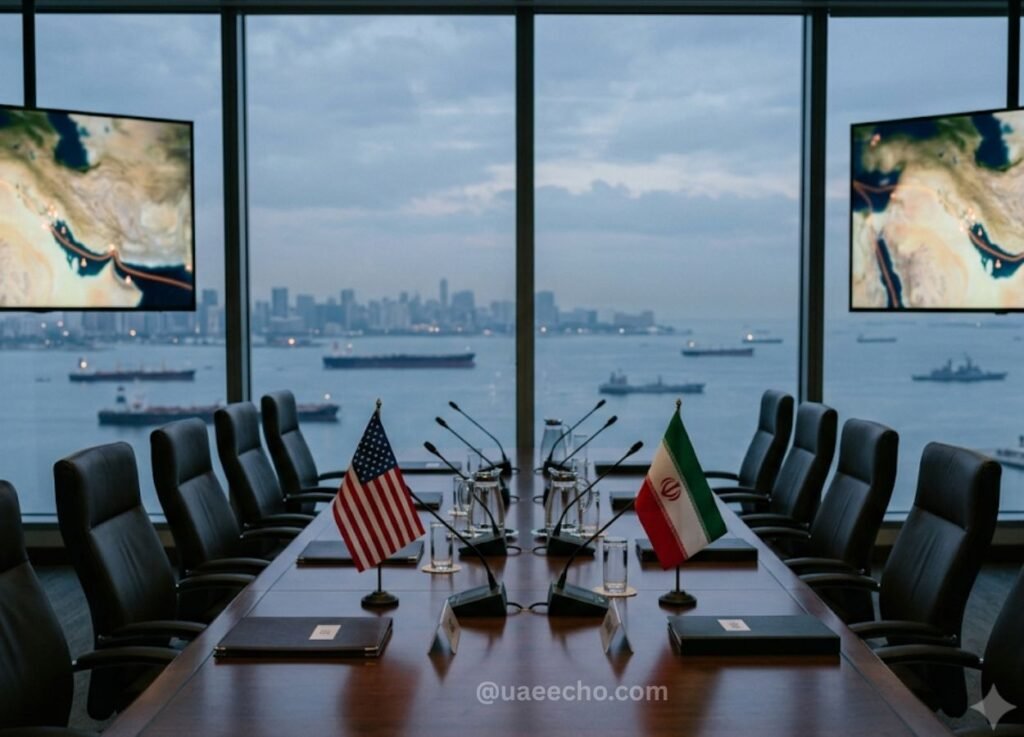
Negotiations between the United States and Iran are still up in the air. The United States and Iran are saying things and that is making it hard to think that they will be able to come to an agreement.
The United States and Iran are talking to each other through countries, in the area. The United States and Iran have not said when they will have formal talks or what they will talk about.
Recent comments, from Washington have shown that attempts to talk with Tehran are still happening, with American officials hoping that talks can help reduce tensions and deal with problems.. Iranian leaders say that direct talks are not happening right now. They say any future conversations must protect the countrys interests and follow set rules.
The mixed messaging comes amid heightened regional tensions, including disputes over maritime security, sanctions and military activity in the Gulf. These developments have complicated diplomatic efforts and contributed to growing uncertainty over whether both sides are prepared to make the concessions needed to restart meaningful negotiations.
Analysts say the absence of a publicly agreed negotiating framework has fuelled speculation about the direction of future talks. Although indirect communication through intermediary countries has continued, significant differences remain over issues such as sanctions relief, regional security and broader political commitments.
The negotiations are being closely watched by international partners, who view renewed dialogue as an important step towards reducing instability in the Middle East. Governments across the region have repeatedly called for diplomatic solutions, warning that further escalation could affect global energy markets, international shipping and wider regional security.
Financial markets have also responded cautiously to the uncertainty, with investors monitoring developments for potential implications on oil prices and trade through key maritime routes. Any indication of progress in negotiations could help ease market concerns, while further deterioration in relations may increase geopolitical risk.
Diplomatic observers believe that despite the current impasse, both Washington and Tehran have reasons to keep communication channels open. However, they caution that achieving a lasting agreement will require sustained political will, confidence-building measures and compromise on issues that have remained unresolved for years.
For now, the outlook remains uncertain, with the future of US-Iran negotiations likely to depend on both regional developments and the willingness of the two sides to return to structured diplomatic engagement.