

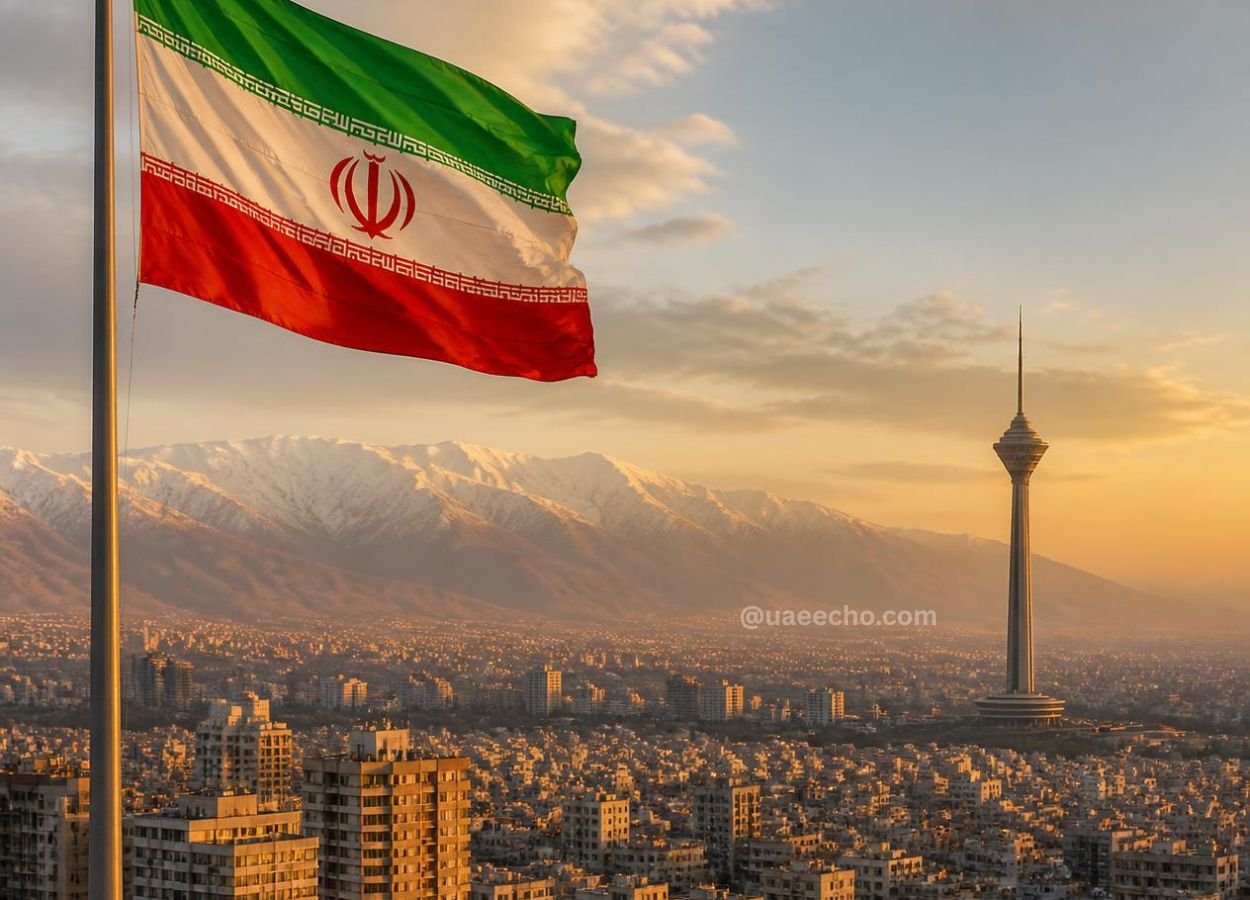

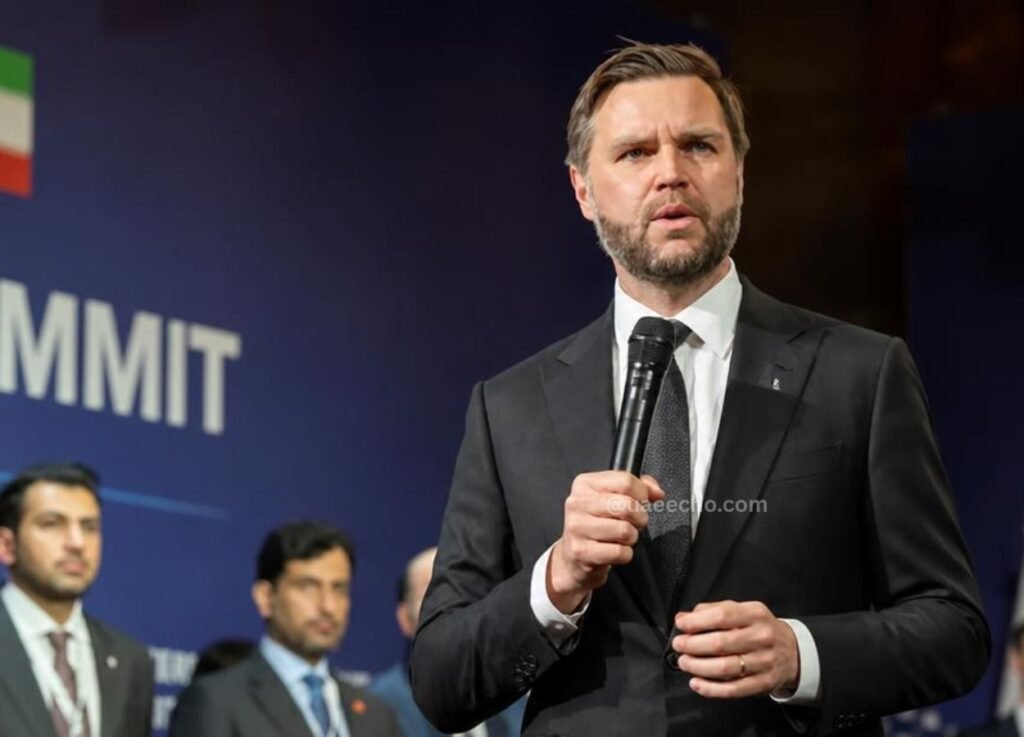
The U.S. Vice President JD Vance said that a number of Gulf Cooperation Council member states are working quietly behind the scenes, with Washington to control and push Iran to the side. This is happening even though these same regional powers say they are keeping diplomatic balance in public.
Speaking during a foreign policy address on Middle East security architecture, Vice President Vance revealed that beneath the surface of public diplomacy, key regional partners are quietly aligning intelligence sharing, maritime surveillance protocols, and counter-smuggling enforcement targeting Iranian proxy networks across the region.
“While many of our regional partners must navigate public diplomatic channels carefully, make no mistake—behind closed doors, there is an unspoken consensus among Gulf nations that Iranian belligerence must be contained. They are quietly helping us build a robust defense framework to counter Tehran’s influence and secure critical maritime arteries like the Strait of Hormuz.”
Vance’s comments highlight the dual-track diplomatic strategy defining current Gulf relations. While nations such as Saudi Arabia and the UAE have pursued economic de-escalation and maintained open diplomatic ties with Tehran, security cooperation with Washington remains deeply entrenched amid ongoing maritime frictions and regional tensions.
Diplomatic observers in Washington and Riyadh note that public acknowledgment of covert coordination risks drawing sharp responses from Iranian state media, which has repeatedly warned regional neighbors against participating in Western-led containment initiatives.