

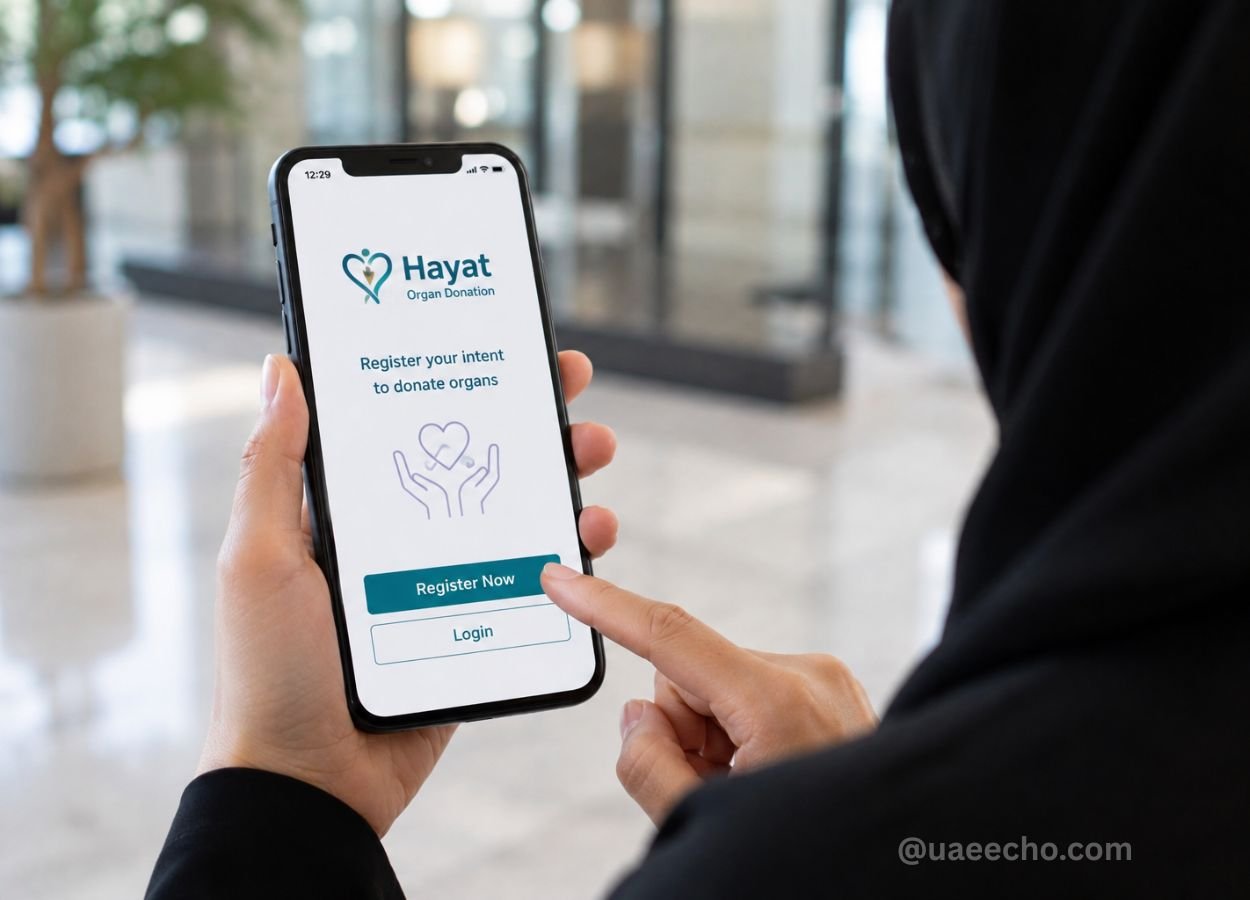

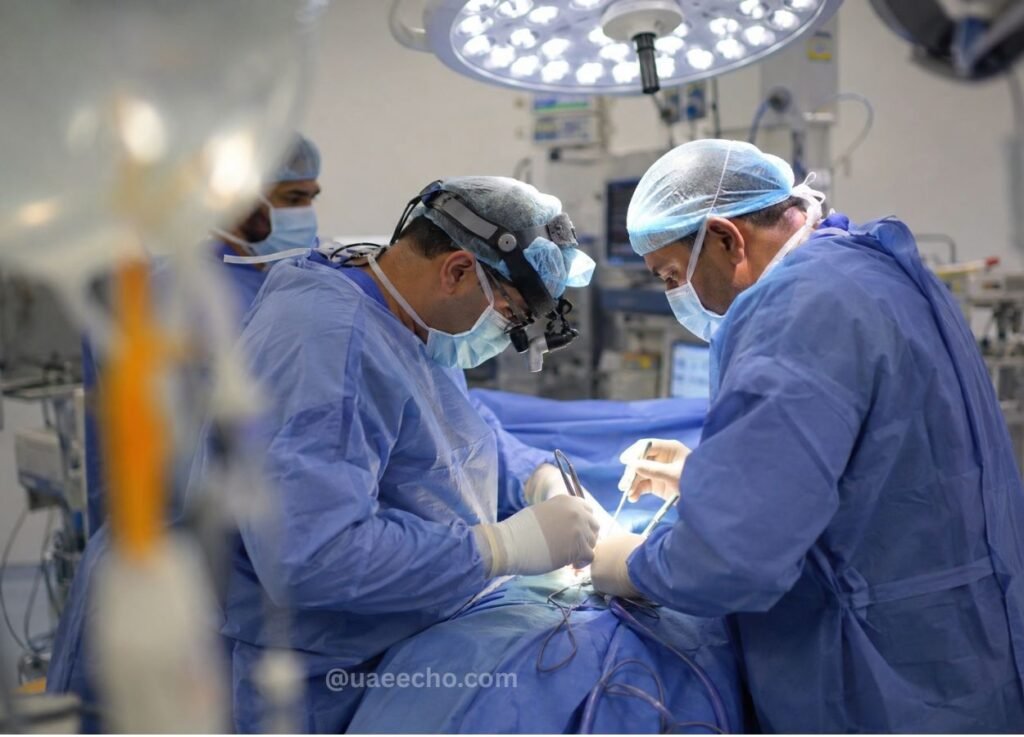
The United Arab Emirates has seen a lot of growth in its organ transplantation system. This system has done than 1,195 successful transplant surgeries. At the time the United Arab Emirates has also added more people to its registered donor list. Now the United Arab Emirates has over 39,000 people in its database under the Hayat program. The Hayat program, in the United Arab Emirates is really helping with organ transplantation.
The milestones reflect the Gulf nation’s rapid emergence as a regional hub for advanced surgical care and humanitarian medicine, supported by modern federal legislation, cutting-edge healthcare infrastructure, and rising public participation among both citizens and expatriate residents.
Data released by health authorities highlights a diverse array of life-saving procedures executed across licensed multi-organ transplant centers nationwide, including Cleveland Clinic Abu Dhabi, Sheikh Khalifa Medical City, Sheikh Shakhbout Medical City, and Burjeel Medical City. Operations encompass complex kidney, liver, heart, lung, and pancreas procedures, as well as groundbreaking multi-organ transplants utilizing both living and posthumous donations.
The national registry platform, managed by health authorities, links voluntary donor pledges directly to Emirates ID profiles for residents over 21 years of age. Federal legislation strictly governs the ethical framework, prohibiting commercial organ trading while establishing legal protections for living donors and clear protocols for deceased organ recovery following verified brain death.
Health officials attribute the surge in donor pledges to targeted public awareness campaigns and streamlined digital registration systems. The rapid expansion of specialized domestic medical capabilities has markedly reduced the necessity for UAE residents to seek complex organ failure treatments abroad. With a resident population representing more than 200 nationalities, the country continues to build international clinical partnerships, align with World Health Organization standards, and enhance long-term health outcomes across the Middle East