

Everyone carries a smartphone, meetings happen on screens, cars are faster than ever, aircraft connect continents in hours. Yet governments continue spending billions on railways. Why?
History offers the answer. In 1869, the completion of America’s first transcontinental railroad reduced the journey between New York and San Francisco from six months to about a week, transforming distant regions into a single economy. India tells the same story at a different scale: today, its railways carry around 7 billion passengers and more than 1 billion tonnes of freight every year. Across continents and centuries, railways have done the same thing: they turn geography into economic integration.
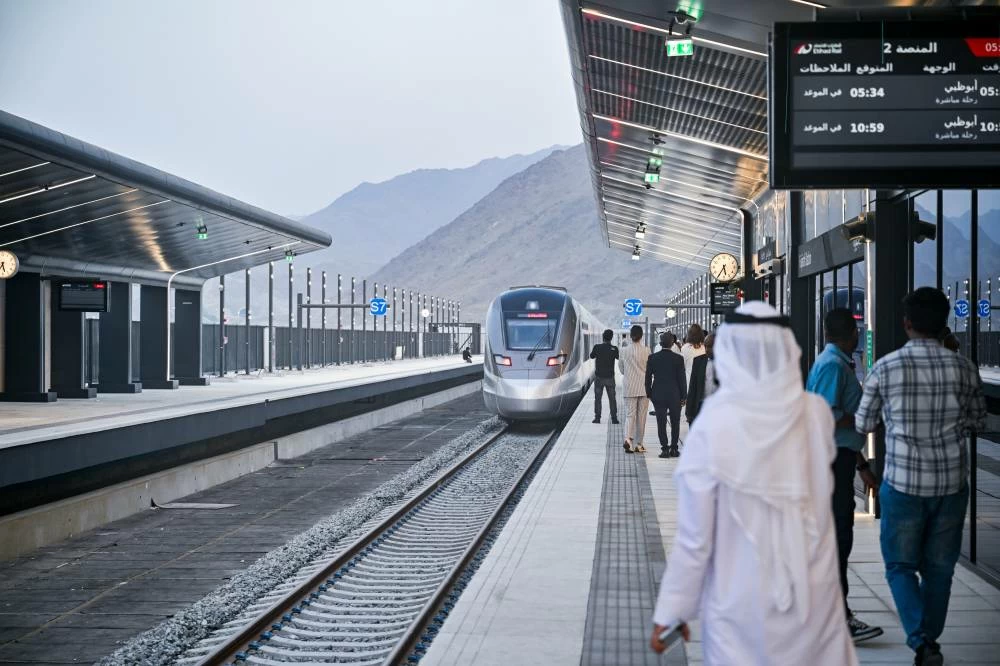
Last week (June 30, 2026), the UAE began writing its own chapter. The inaugural Etihad Rail passenger train left Fujairah at 5:34 a.m. on June 30 and arrived in Abu Dhabi one hour and forty-five minutes later. More than 10,000 tickets were sold before the first departure. A country that already commands one of the world’s busiest aviation networks, that leads in digital government and smart-city infrastructure, had just laid 900 kilometres of steel across the desert. In 2026, that felt worth understanding. What makes the UAE’s railway especially interesting is that the first passenger train was not the beginning of the story.
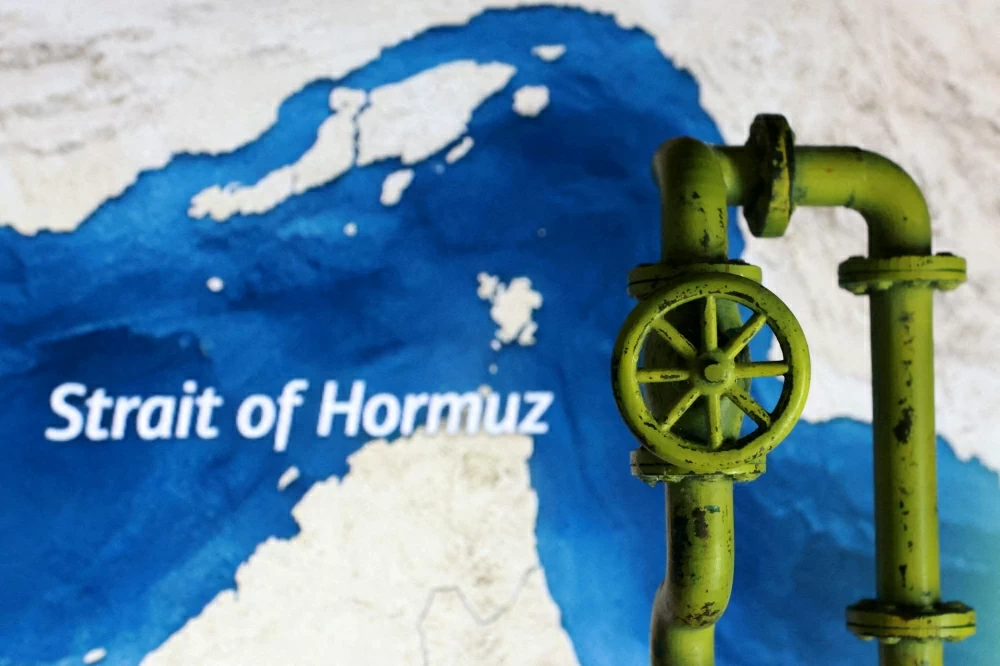
Freight operations began years before the passenger launch, connecting Khalifa Port, Jebel Ali, Fujairah and industrial centres across the seven emirates into one logistics corridor. Each freight train removes roughly 300 heavy trucks from the roads, infrastructure designed to make seven emirates operate more like a single marketplace. Fujairah, the UAE’s primary deep water port on the Gulf of Oman, sits outside the Strait of Hormuz, making it the natural eastern anchor of the railway and a strategic gateway to global trade.
That strategy became visible earlier this year. During the regional disruption, freight trains transported 459,000 tonnes of goods and nearly 8,000 containers in just nine days while maritime routes faced severe pressure. The railway quietly did what resilient infrastructure is supposed to do: it kept essential goods moving.
Look closer and the picture becomes even more interesting. Beneath the railway runs another national artery: the Habshan–Fujairah pipeline, completed in 2012, which carries around 1.8 million barrels of crude oil a day directly to the Gulf of Oman, bypassing the Strait of Hormuz underground. Above it, the railway follows the same strategic direction, carrying freight to the same coast. One moves energy below the surface, the other moves commerce above it. Together they reveal a pattern in how the UAE builds infrastructure: every visible network is reinforced by another, giving the country more than one way to stay connected when the obvious route comes under pressure.
The speed of execution tells its own story. Announced in 2021 as part of the Projects of the 50, the passenger network entered service in less than five years. It required 593 bridges and crossings, nine tunnels and a fleet of thirteen passenger trains capable of travelling at 200 kilometres per hour. The journey from Abu Dhabi to Dubai now takes just 57 minutes, Abu Dhabi to Fujairah one hour and forty-five minutes. In many countries, five years is enough to complete the planning process; in the UAE, it was enough to build the railway.
And the network is already expanding. Hafeet Rail will connect the UAE with Oman through Sohar, and a high-speed line between Abu Dhabi and Dubai will reduce travel time to around thirty minutes. By 2030, the network aims to carry 36.5 million passengers and 60 million tonnes of freight annually, contributing an estimated AED 145 billion to the economy over the next fifty years.
Railways have never been just about trains. They shorten distances, connect markets and reshape economies. The UAE already mastered the sea through its ports and the air through its airlines. Steel rails have connected cities for nearly two centuries. The UAE just completed another layer of a system designed to keep moving when the world stops.
(Naoufer Ramoul is a senior TV presenter and producer at Dubai Media Incorporated, and the host of the award-winning political show Qabel lil Niqash on Dubai TV. She has worked as a presenter at Al Jazeera, Al Arabiya and Alhurra.)